Showing posts with label east africa. Show all posts

Sunday, November 3, 2019

Places To Visit In The Northern Circuit of Tanzania

Serengeti National Park offers the classic African safari setting. The migration of millions of wildebeest and zebra takes place in Tanzania in an endless cycle year-round. The vast expanse of grasslands makes the Serengeti a fantastic spot to potentially witness a lion or cheetah kill because you can see the whole spectacle clearly. The best time to go is between July and October, but you can’t really go wrong any time of the year. A hot-air balloon ride at dawn is a truly magnificent experience.

During dry season Tarangire has one of Tanzania’s highest concentrations of wildlife. It's an excellent location for those who love watching elephants, zebra, giraffe, impala, and wildebeest. Tarangire is also a good place to enjoy walking safaris and an excellent birding destination. Be ready to swat tsetse flies here, at certain times of the year they can get annoying.

This national park is located in both theA rusha and Manyara regions of Tanzania. It’s known as an excellent place to spot wildlife, especially flamingos. If you visit during the wet season you’ll get to see around 300 different species of birds but when the lake waters turn into mudfl-ats during the dry season you can also see elephants, hippos and giraffe.

The Ngorongoro Conservation area borders the Serengeti and includes the world’s largest intact caldera which contains almost every species of wildlife found in East Africa, including the extremely rare black rhino. Here you’ll witness some of the densest population of wildlife in the world and it’s an amazing place to take memorable photos. The Maasai still live within the conservation area, and it’s also home to Oldupai where some of the man’s earliest remains have been found.

Mount Kilimanjaro, at 5.895m (19,336 ft) the tallest freestandnig mountain in the world, is actually a dormant volcano with three volcanic cones (Kibo, Mawenzi, and Shira). tI’s also a beautiful and imposing place where you’ll get to see many diverse levels of flora and faunaT. here are agricultural fields at the base of the mountain followed by rainforests, fresh meadows, desert and when you finally reach the top, you have chance of seeing snow.

Monday, September 16, 2019

Traveling to Tanzania For The First Time? These are the Best Places To Visit


From snow-capped peaks to safaris and paradise-like islands, Tanzania is reveling in its status of being a hot destination for both luxurious and adventurous travelers. With the help of the experts at Sababu Safaris here are some spots you should definitely consider including in your itinerary:

NORTHERN CIRCUIT

Serengeti National Park
 Serengeti National Park offers the classic African safari setting. The migration of millions of wildebeest and zebra starts here. The vast expanse of grasslands makes the Serengeti a fantastic for spot to potentially witness a lion or cheetah kill because you can see the whole spectacle clearly. The best time to go is between July and October, but you can't really go wrong any time of the year. A hot-air balloon ride at dawn is a truly magnificent experience.

Tarangire National Park
 During dry season Tarangire has one of Tanzania's highest concentrations of wildlife. It's an excellent location for those who love watching elephants, zebra, giraffe, impala, and wildebeest. Tarangire is also a good place to enjoy walking safaris and an excellent birding destination. Be ready to swat tsetse flies here, at certain times of the year they can get annoying. 

Lake Manyara
 This national park is located in both the Arusha and Manyara regions of Tanzania. It’s known as an excellent place to spot wildlife, especially flamingos. If you visit during the wet season you’ll get to see around 300 different species of migratory birds but when the lake waters turn into mud-flats during the dry season you can also see elephants, hippos and giraffe.

Ngorongoro Crater and Conservation Area
 The Ngorongoro Conservation area borders the Serengeti and includes the world's largest intact caldera which contains almost every species of wildlife found in East Africa, including the extremely rare black rhino. Here you'll witness some of the densest population of wildlife in the world and it's an amazing place to take memorable photos. The Maasai still live within the conservation area, and it's also home to Oldupai where some of the man's earliest remains have been found.

Lake Natron 
A soda lake at the base of the active Ol Donyo Lengai volcano (the only volcano in the world to produce black lava), the area around Lake Natron is often described as having a desolate and almost lunar beauty. Lake Natron is found in the northern part of Tanzania, close to the Kenyan border. It is the most important breeding site for Lesser Flamingos in the world. They are able to overcome the strong alkaline content of the lake, and flock to its shallow waters annually to breed and feed on the lake's blue-green algae.

Mount Kilimanjaro
 Mount Kilimanjaro, at 5.895m (19,336 ft) the tallest freestanding mountain in the world, is actually a dormant volcano with three volcanic cones (Kibo, Mawenzi, and Shira). It’s also a beautiful and imposing place where you’ll get to see many diverse levels of flora and fauna. There are agricultural fields at the base of the mountain followed by rainforests, fresh meadows, desert and when you finally reach the top, you have chance of seeing snow.


ZANZIBAR

Zanzibar is one of Tanzania's top destinations because of its fascinating past and its beautiful beaches. Famous for its spices, Zanzibar used to be a slave trading post under its Arab rulers. Zanzibar's capital, Stone Town, is a World Heritage site and contains beautiful houses, a Sultan's palace, narrow alleyways and plenty of mosques. Some of the nearby islands offer paradise for the luxury traveler with Mnemba Island being idyllic for a romantic vacation.

Mnemba Island
 You couldn’t get any more beautiful and romantic than this tiny heart-shaped island. Mnemba is just off the East coast of Zanzibar and caters to the luxury traveler. With its beautiful lodge style accommodations Mnemba is the perfect place for a romantic getaway. The surrounding waters are also full of marine life with regular sightings of large schools of fish, turtles and dolphins. If you’re not staying on the island, you can easily take a day trip and snorkel along its beautiful beaches.

Mafia Island 
With fewer than 1,000 visitors per year, Mafia Island is an undiscovered Tanzanian gem with a Swahili culture unspoiled by tourism. It is one of the best places to snorkel, deep-sea fish or dive in Africa. Most of the island and its beaches have been designated as a marine park. You can watch whale sharks, turtles, and many other species of wildlife.


WESTERN TANZANIA

Mahale Mountains National Park 
Located on the shoreline of Lake Tanganyika, Mahale Mountains National Park is one of the best places in the world for close encounters with chimpanzees. It’s also a beautiful place where green forested mountains cascade down to the lake shore, clear waters lap against white sand coves and Mount Nkungwe can be seen in the background. Besides the large chimp population the mountains are also home to other primates.

Katavi National Park 
Katavi is one of the top wildlife destination in Africa. It is beautiful, unspoiled and full of animals but is located in the very remote Western part of Tanzania, which makes it great to visit if you're looking for a unique safari experience. There are only two camps and you can only get there via light aircraft. Katavi is best to visit from June to October (dry season) when the pools can be filled with thousands of hippos.

SOUTHERN TANZANIA

Ruaha National Park
 Ruaha is remote and full of wildlife. There are lions, cheetah, leopard, and almost every other African mammal you'd like to see, particularly elephants. The park is home to the Great Ruaha River and during the dry season (from July to December) you can enjoy some spectacular game viewing.

Selous Game Reserve
 The Selous is Africa's largest reserve, a world heritage site, and not as crowded as the Serengeti. Among its wildlife you will see lots of hippos, crocodiles, elephants, cheetahs, black rhinos and African hunting dogs. The Selous swamps, rivers and wetlands allow travelers to go on their safari by boat, which is a big attraction but walking safaris are also popular and you can enjoy night drives as well. Accommodations are limited but they all offer a very intimate and unique safari experience. 

Thursday, July 11, 2019

Sababu Safaris Offers Yoga & Safari Healing Retreat in Tanzania

Sababu Safaris, a boutique safari company that customizes the African experience for travelers to Tanzania, is pleased to announce that it is offering a Yoga & Safari Healing Retreat in Tanzania, November 9-16, 2019. In addition, it has just added private yoga safari retreats upon request. The retreats include daily yoga sessions and meditation.


At the same time, guests will explore the country’s breathtaking lands and wildlife, and immerse themselves in all manner of local culture in a purposeful way, which ranges from time at a school to giving the gift of light to remote villages. This special combination of personal yoga and social giving is an expression of the fundamental philosophy of Sababu Safaris - traveling in an intentional and meaningful way can transform lives and create lasting change in the world.


“In our disconnected modern Western cultures pressured for time, the opportunity for a yoga and safari healing retreat can create lasting bonds across continents,” said Denise Brown, co-founder of Sababu Safaris. “Tanzania is a truly special refuge for mindfulness and deep reflection.”

Both group and individual retreats will be led by Tanzanian resident and professional yoga teacher Marissa Lipovsky. The practice of yoga in Tanzania’s Great Plains is an immersive experience. Daily practices are aimed at expanding awareness, awakening one’s true nature, and thus healing wounds. Meals are cultivated from the fertile land of the Kilimanjaro region. Time is also taken away from yoga to mindfully engage with the community—not consuming their culture—but learning deeply what it means to live there.


“We will experience travel in a completely different way,” said Lipovsky. "We will do so from a fully embodied perspective as our reflective practices will clear the lens through which we see the world and ourselves. It will bring visitors to a place of true understanding, a deep peace with which they can return to their home countries.”


Sababu Safaris’ wellness adventures embed the wisdom of the Maasai elders whose lineage includes some of the region’s most important healing traditions. The Maasai have a deep and cultural knowledge of natural medicines and remedies and will show participants how herbs are prepared and administered.


About Us
Sababu Safaris is an owner-run boutique company committed to creating unique journeys to Tanzania that change hearts and minds, and leave a long-lasting impact on both guests and local communities alike. Where most safari companies pledge to pour resources back into the community, Sababu Safaris allows guests to see the difference -- and in most cases, make the difference themselves. All safari itineraries are crafted and tailored to the specific month of travel and to the guests’ individual travel style, preferences and interests. Our all-inclusive, private, transformational luxury safaris will take you deep into the isolated wilderness and connect you with the people that call Tanzania home. No mixed groups, no competing for views with strangers, and no conflicting interests. Sababu Safaris unites conservation, communities and sustainable travel by seamlessly integrating unique and impactful experiences, giving visitors the opportunity to completely immerse themselves in the rich Tanzanian culture few truly get to know - and to make a difference at the same time.

For more information about Sababu Safaris’ group and individual Yoga & Safari retreats, visit www.sababu-safaris.com.


Wednesday, June 19, 2019

The Great Wildebeest Migration: Everything You Need To Know

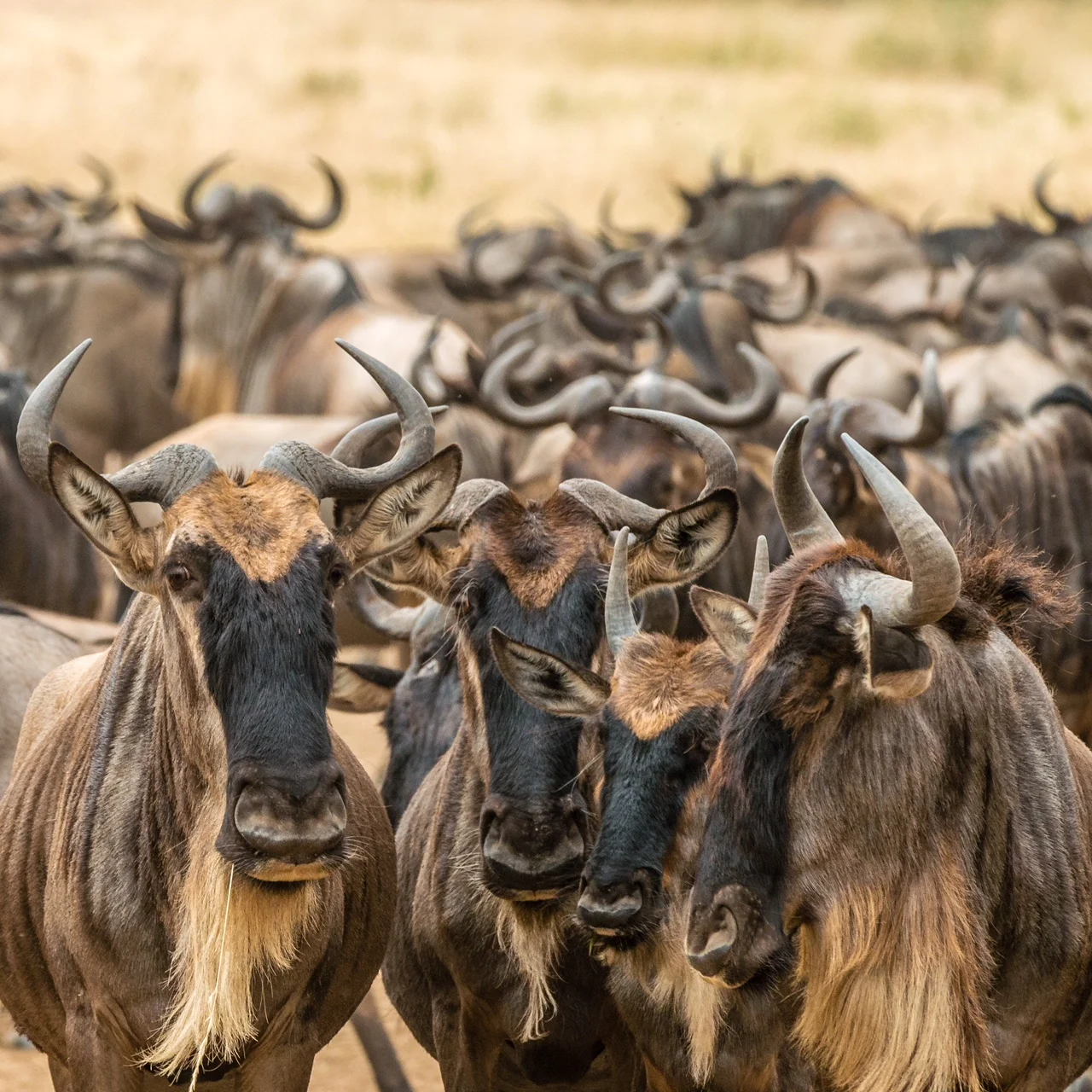
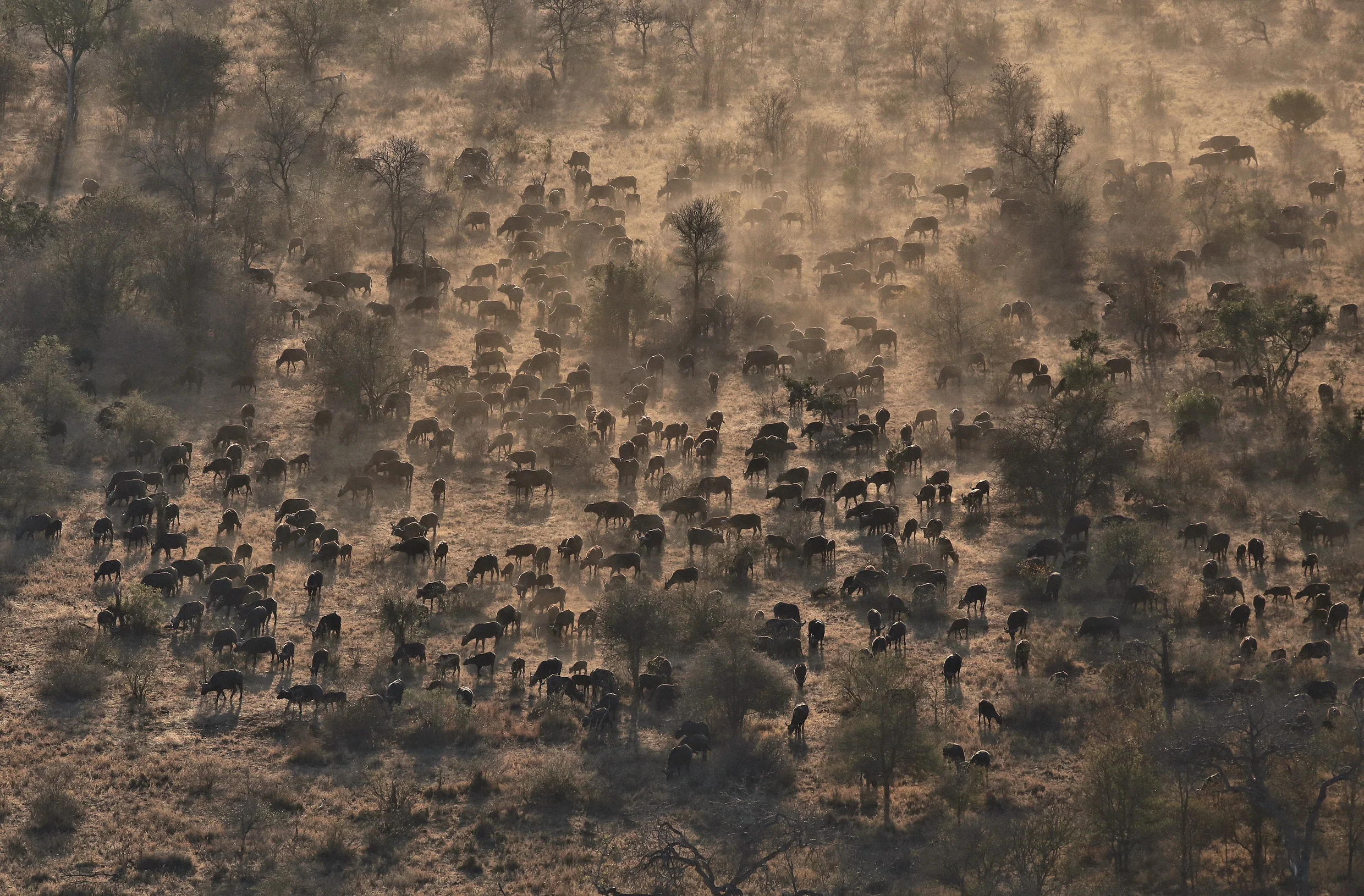
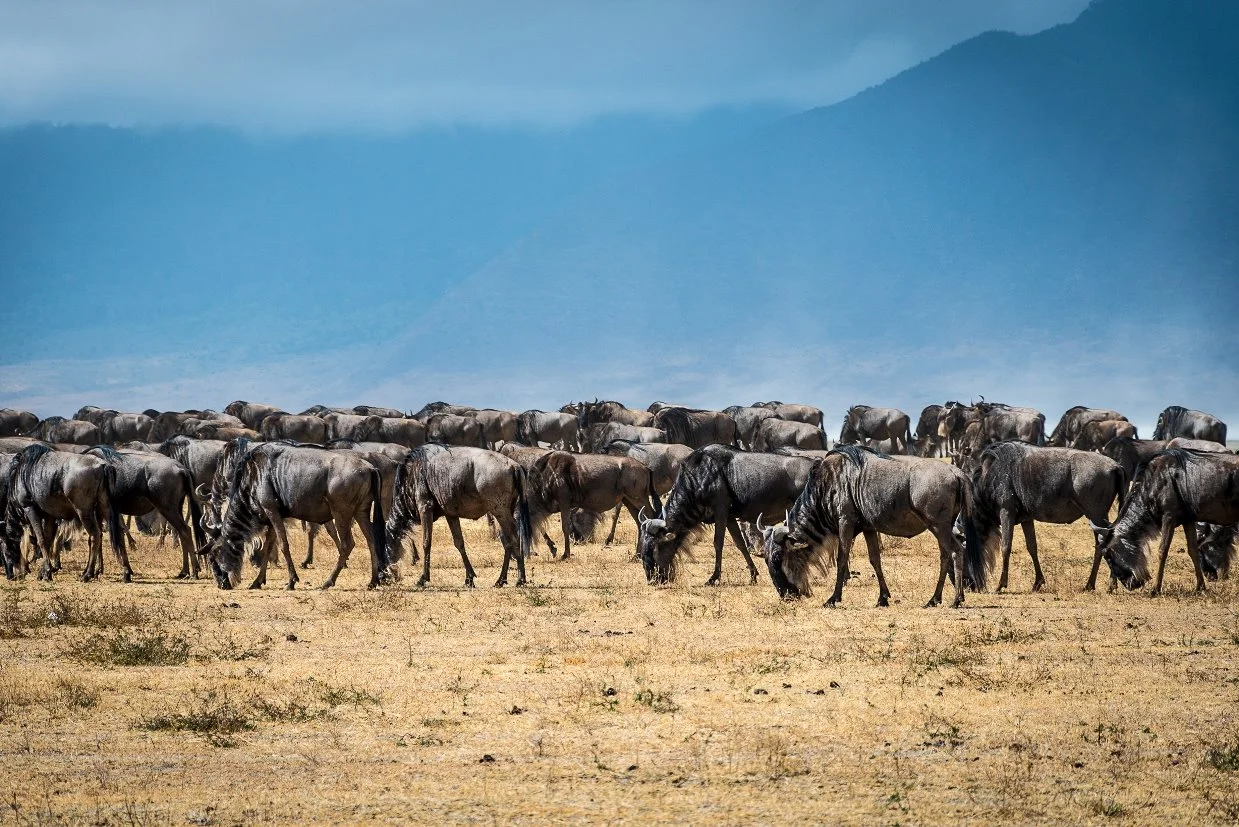
The Great Migration is the continuous movement of giant herds of 1.8 million wildebeest and 500,000 zebras across the Serengeti ecosystem in search of food, water and minerals that occurs in a fairly regular pattern each year. 
Did you know that the Great Migration is a year round spectacle and not just a one-time annual event.? It can be seen at any time of the year - you just need to know where to go!
There are five main stages of the migration: 
1. The Calving Season
2. The North Trek
3. River Crossings - Grumeti and Mara
4. The Arrival of the Herds in the Masai Mara
5. The Journey back South

THE GREAT MIGRATION CALENDAR

wildebeest-migration-map.jpg
JANUARY:
The herds have reached the short grass plains of the Southern Serengeti around Lake Ndutu. The short rains usually fall here in November and December attracting herds in search of green pastures from Central Serengeti. Rich in phosphorus, the soil of the grasslands of the Southern Plains offers nutritious grazing.
FEBRUARY:
This is the beginning of the calving season, with up to 500,000 wildebeest being born within a period of 2 to 4 weeks. This is the season when it’s easy for predators to find prey. A great time to visit, since there is a lot of action!
MARCH:
The Southern Plains start to dry out from several weeks of intensive grazing. The herds gets confused and wander as far west into the Maswa Game Reserve woodland.
APRIL:
The plains have no sufficient food to sustain the herd. This is the beginning of the north-west trek towards the Western Corridor of the Serengeti where heavy rains set in. It is a slow movement through scattered woodlands and long grass plains.
MAY: As the rains begin to dwindle, columns of wildebeest continue to enter the Western Corridor of the Serengeti. Others head north of the Seronera (Central) region, but the bulk of the migrating herds enters the Ndoha and Dutwa plains that flank the Mbalageti River. Towards the end of the month, there is a sense of expectation as the migration piles up in the narrow wedge of land between the forest lined river courses of the Mbalageti and Grumeti River. However, in years when the rains persists throughout May, the wildebeest may scatter over a wide area of Central Serengeti.
JUNE:The rains have stopped and the wildebeest rut is in full swing. The grasslands reverberate to the bellows and grunts of testosterone fueled males as they chase rivals and round up females. This creates chaotic movement and noise, as females try to maintain contact with their calves. Marching its way through the Western Corridor, the migration begins to organize into a 'mega herd' bunched up along the southern bank of the Grumeti River. 
All eyes, however, are on the main group of the migration amassing for the Grumeti River crossings. This can start early in the month. Herds are splashing through what is usually a series of pools and channels rather than a continuous flowing river. As the frequency of crossings intensifies during June, the Grumeti's large crocodiles enjoy the annual glut of wildebeest and zebra flesh. 
JULY:With the Grumeti River in the wake, the wildebeest and zebra push to the Northern Serengeti. Herds spread out on a broad front that extends from the Grumeti Game Reserve and Ikorongo Game Controlled Area to the northern reaches of the Serengeti. Large herds can be found as far east as Lobo. When the Migration actually crosses into Kenya's Masai Mara depends, as ever, on the rainfall pattern and how long the northern Serengeti grasslands can sustain the herds. In some years in happens as early as mid-June; in others, it doesn’t happen until August or September. 
*It is a common misconception that the crossing of the Mara River marks the transition of the Migration from Tanzania to Kenya. The river actually meanders through the north-west Serengeti before looping north into the western reaches of the Masai Mara, repeatedly throwing water obstacles in the path of the herds. This makes it easier to stake out likely crossing points on either side through July and August.
AUGUST:
The apex of the crossings. In a typical year, you can expect the Migration to have reached the Masai Mara by early August. River crossings often reach their frenzied climax this month as large herds take a leap of faith into the Mara River - much to the delight of the waiting crocodiles and lions. The riverbanks become crowded with vultures and marabou storks feeding on the corpses of drowned wildebeest clogging up the river. Elsewhere you can witness less macabre scenes of wildebeest and zebras filing through long, golden grasslands.
SEPTEMBER:
The herds may still be scattered across the Northern Serengeti, either about to cross into the Masai Mara or content to remain in Tanzania, grazing the rolling plains. The focus of the Migration, however, is firmly in Kenya where the wildebeest edge slowly eastwards through the Masai Mara. 
OCTOBER: The rains may start falling on the short grass plains of the Southern Serengeti and wildebeests need to be there when fresh green shoots have pushed to the surface. And so begins the long trek south, the Migration gradually spilling from the Masai Mara back into the north-east Serengeti and Loliondo Game Controlled Area.
NOVEMBER:
The herds start moving southwards following the rains. By now, most, if not all, of the wildebeest and zebra will have left the Mara. They form long columns stretches from Lobo to the Central Seronera area of the Serengeti.
DECEMBER:
The herds reach the Southern Serengeti where fresh grass covers the short plains….and the migration begins its annual cycle all over again.